

High-temperature cables are heat-resistant cables made from special materials. They are manufactured using high-strength, heat-resistant materials and processed through special techniques. They are suitable for use as lead and connection cables in a wide range of applications, including household appliances, lighting fixtures, electronic equipment, and temperature sensors.
1. Differences in Materials
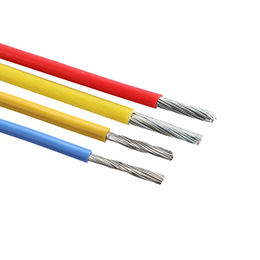
As the name suggests, high-temperature cables are primarily made of heat-resistant materials, allowing them to function properly in high-temperature environments without compromising their core performance. High-temperature cables are generally categorized into fluoroplastic-insulated, silicone rubber-insulated, silicone rubber-insulated braided, and multi-core high-temperature cables. In contrast, ordinary cables are typically made from common materials such as aluminum or copper. Among the specialized variants, Silicone Braided Wire stands out by featuring a woven conductive shield over the silicone insulation, providing enhanced mechanical protection and electromagnetic interference (EMI) shielding. For more demanding setups, Silicone Double Insulated Wire offers an extra layer of dielectric protection, ensuring superior safety in high-voltage or harsh chemical environments. Meanwhile, Silicone Parallel Wire provides a flexible, flat-profile design ideal for space-constrained routing in electronic equipment.
2. Insulation Performance
Unlike ordinary cables, high-temperature cables feature exceptionally strong insulation. This makes them ideal for factories or laboratories with stringent requirements, as they can effectively prevent short circuits and circuit interference, thereby delivering superior performance. The advanced insulation structure of Silicone Double Insulated Wire further minimizes signal distortion and leakage currents, while the braided shielding in Silicone Braided Wire acts as a robust barrier against external radio frequency interference, maintaining signal integrity in sensitive circuits.
3. Aging Resistance
A major advantage of high-temperature cables is their excellent resistance to aging and high durability. They have a significantly longer service life, which helps save a great deal of maintenance costs. On the other hand, ordinary cables have a fixed lifespan and require timely replacement after a certain period. This frequent replacement not only reduces efficiency but also increases overall costs. Cables like Silicone Parallel Wire and Silicone Braided Wire maintain their flexibility and structural integrity even after prolonged exposure to extreme temperatures, UV radiation, and oxidative environments, greatly extending their operational lifespan.
4. Flame Retardancy
Because high-temperature cables are made from specialized materials, they exhibit excellent flame retardancy. In the event of a short circuit or a high-temperature fire, they effectively resist the spread of flames rather than causing a cascading failure that could compromise other circuits and increase risks. This makes them significantly safer. Whether utilizing the robust construction of Silicone Braided Wire or the enhanced thermal barrier of Silicone Double Insulated Wire, these cables ensure that even under severe thermal stress, they will not easily ignite or propagate fire, providing critical protection for both equipment and personnel.